
Are you leveraging your credit to secure a stronger financial future? Achieving long-term financial objectives requires more than just saving; it demands a strategic approach to managing your financial tools, including credit.
Smart credit decisions can be the linchpin in realizing your financial aspirations, whether it’s purchasing a home, funding education, or starting a business. Understanding how to navigate the credit landscape effectively is crucial.
Making informed decisions about your credit can significantly impact your financial health. It’s about being aware of how credit works and utilizing it to your advantage.
Key Takeaways
Table of Contents
- Understanding credit is fundamental to achieving long-term financial goals.
- Smart credit decisions can significantly impact your financial health.
- Effective credit management involves more than just making payments on time.
- Leveraging credit wisely can open up new financial opportunities.
- A strategic approach to credit is essential for long-term financial success.
Understanding the Power of Credit in Financial Planning
The strategic use of credit can be a powerful tool in achieving financial goals. Effective credit management is essential for making informed decisions that impact one’s financial future.
How Credit Impacts Your Financial Future
Credit decisions have a compounding effect on financial health. Understanding this impact is crucial for long-term stability.
The Compounding Effect of Credit Decisions
Credit choices can either positively or negatively affect your financial situation over time. Making timely payments and keeping credit utilization low can lead to better financial outcomes.
Credit as a Wealth-Building Tool
When used correctly, credit can be a valuable resource for building wealth. It allows for investments in education, real estate, and other assets that appreciate over time.
The Difference Between Good and Bad Credit Usage
Not all credit is created equal. Distinguishing between productive and consumptive debt is key to strategic credit usage.
Productive vs. Consumptive Debt
Productive debt, such as mortgages or student loans, can lead to long-term benefits. In contrast, consumptive debt, like high-interest credit card balances, can hinder financial progress.
Interest Rate Considerations
Understanding interest rates is vital for making smart credit decisions. Lower interest rates can make borrowing more affordable, while high rates can lead to debt traps.
By grasping these concepts and applying credit management tips, individuals can navigate their financial options more effectively and achieve their long-term objectives.
Assessing Your Current Credit Situation
Understanding your current credit situation is crucial for effective financial planning. It allows you to identify areas of strength and weakness, making informed decisions about your financial future.
Obtaining and Interpreting Your Credit Reports
To assess your credit situation, you first need to obtain your credit reports. Free annual credit report access is available through various credit reporting agencies. Reviewing these reports helps you understand your credit history and identify any errors or negative marks.
Free Annual Credit Report Access
You are entitled to a free credit report annually from each of the three major credit reporting bureaus: Equifax, Experian, and TransUnion. This access allows you to monitor your credit history and detect any discrepancies or fraudulent activities.
Understanding Credit Score Factors
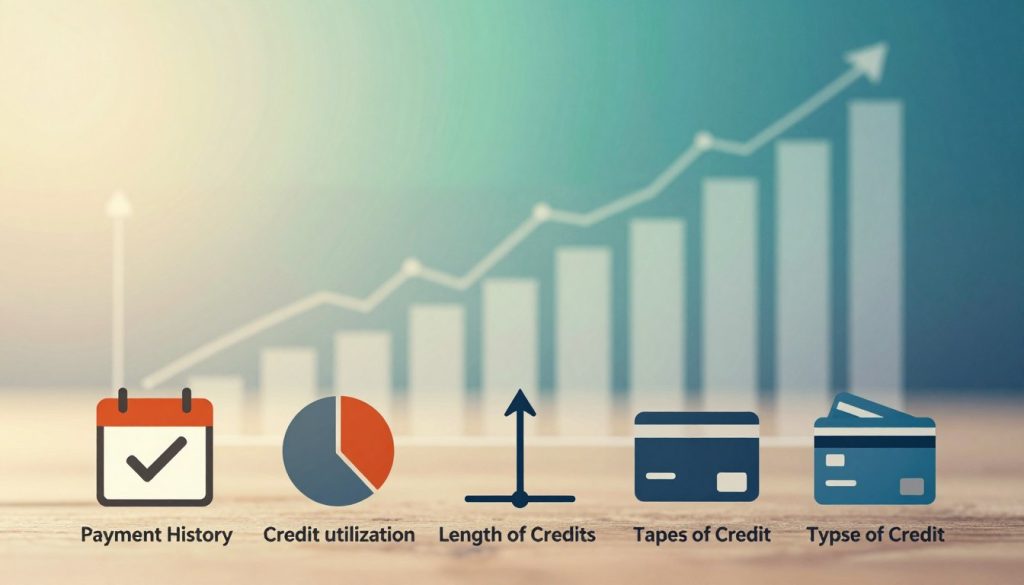
Your credit score is influenced by several factors, including payment history, credit utilization, length of credit history, credit mix, and new credit inquiries. Understanding these factors helps you identify areas for improvement.
Identifying Areas for Improvement
Once you have obtained and reviewed your credit reports, you can identify areas that need improvement. This might include correcting errors, reducing debt, or avoiding late payments.
Common Credit Report Red Flags
Common red flags on credit reports include late payments, collections, and high credit utilization ratios. Identifying these issues is the first step towards resolving them.
Setting Priorities for Credit Repair
After identifying areas for improvement, set priorities for credit repair. Focus on addressing the most critical issues first, such as resolving collections or reducing high-interest debt.
By following these steps, you can effectively assess your current credit situation and take corrective actions to enhance your financial health, ultimately supporting your long-term financial goals.
Setting Clear Financial Goals for Credit Utilization
Clear financial goals are the foundation of responsible credit utilization and achieving long-term financial aspirations. By defining your objectives, you can make informed decisions about your credit usage and create a roadmap for success.
Defining Short-Term vs. Long-Term Objectives
Understanding the difference between short-term and long-term financial goals is crucial for effective credit planning. Short-term goals might include paying off high-interest debt or building an emergency fund, while long-term goals could involve saving for a mortgage or retirement.
Timeline Planning for Credit Goals
Creating a timeline for your credit goals helps you stay focused and motivated. For instance, you might aim to pay off a certain amount of debt within the next 12 months or improve your credit score by a specific percentage within two years.
Balancing Immediate Needs with Future Aspirations
It’s essential to strike a balance between addressing immediate financial needs and working towards long-term aspirations. This might involve allocating your credit resources effectively to meet both short-term requirements and future goals.
Creating SMART Credit Goals
Setting SMART (Specific, Measurable, Achievable, Relevant, Time-bound) credit goals is a strategic approach to credit management. For example, instead of saying “I want to improve my credit score,” a SMART goal would be “I will improve my credit score by 50 points within the next 6 months by paying off $2,000 in debt and reducing my credit utilization ratio to 30%.”
Measurable Credit Improvement Targets
Having measurable targets allows you to track your progress and adjust your strategies as needed. This could involve setting specific milestones, such as reducing your debt by a certain amount each quarter or maintaining a zero balance on your credit cards.
Tracking Progress and Adjusting Strategies
Regularly reviewing your credit progress and adjusting your strategies is vital for achieving your long-term financial objectives. This might involve using credit monitoring services or budgeting apps to stay on track.
By setting clear financial goals and creating a plan to achieve them, you can harness the power of credit to drive your long-term financial success. As Warren Buffett once said, “Do what you would do if you were going to be there forever.” Planning for the long term with credit in mind is a step towards securing your financial future.
“The way to get started is to quit talking and begin doing.” –
Using Credit Wisely for Long Term Goals
Credit can be a powerful tool in realizing your long-term financial objectives if used wisely. By adopting strategic debt management principles and leveraging credit as a financial tool, individuals can make significant strides towards their goals.
Strategic Debt Management Principles
Effective debt management is crucial for long-term financial health. This involves optimizing your debt-to-income ratio and employing strategic debt payoff methods.
Debt-to-Income Ratio Optimization
Maintaining a healthy debt-to-income ratio is vital. It is calculated by dividing total monthly debt payments by gross monthly income. Aim for a ratio below 36% to ensure you’re not over-extending yourself.
Strategic Debt Payoff Methods
There are several strategies for paying off debt, including the snowball method and the avalanche method. The snowball method involves paying off smaller debts first to build momentum, while the avalanche method focuses on eliminating high-interest debts first.
| Debt Payoff Method | Description | Best For |
|---|---|---|
| Snowball Method | Pay off smaller debts first | Building momentum |
| Avalanche Method | Pay off high-interest debts first | Saving on interest |
Leveraging Credit as a Financial Tool
Credit can be leveraged for investment purposes, such as financing investment properties or supporting business growth.
Investment Property Financing
Using credit to finance investment properties can be a savvy move, providing rental income and potential long-term appreciation in property value.
Business Growth Opportunities
Credit can also be used to fuel business growth by financing expansions, purchasing equipment, or covering operational costs.

Avoiding Common Credit Pitfalls
While credit can be beneficial, there are pitfalls to avoid, such as predatory lending practices and mismanaging credit card rewards.
Recognizing Predatory Lending Practices
Be cautious of lenders offering loans with excessively high interest rates or hidden fees. Always read the fine print and understand the terms before agreeing.
Managing Credit Card Rewards Without Debt Accumulation
To maximize credit card rewards without accumulating debt, pay your balance in full each month and avoid overspending.
Building a Strong Credit Foundation
A strong credit foundation is the cornerstone of a healthy financial future. It enables you to access better loan rates and terms, making significant purchases or investments more manageable.
Establishing Payment History Excellence
To build a strong credit history, it’s crucial to make timely payments. Setting up automatic payments can help ensure you never miss a due date.
Setting Up Automatic Payments
Automatic payments can be arranged through your bank or directly through the creditor’s website. This simple step can significantly boost your credit score over time.
Handling Payment Disputes Properly
If there’s an error with your payment, address it promptly. Contact your creditor to resolve the issue and ensure your credit report is updated.
Managing Credit Utilization Ratios
Keeping your credit utilization ratio low is vital. The general rule of thumb is to keep your credit utilization below 30%.
| Credit Limit | Recommended Balance |
|---|---|
| $1,000 | $300 |
| $5,000 | $1,500 |
Diversifying Your Credit Portfolio
A diverse credit portfolio can positively impact your credit score. Consider having a mix of credit types, such as credit cards, installment loans, and a mortgage.
Strategic Credit Applications for Major Life Milestones
Strategic credit applications play a crucial role in navigating major life milestones, from homeownership to financing education and retirement planning. By making informed credit decisions at these critical junctures, individuals can better achieve their long-term financial goals.
Homeownership Preparation
Preparing for homeownership involves several credit-related strategies. A key aspect is creating a mortgage readiness timeline, which helps potential homeowners understand how long they need to prepare before applying for a mortgage.
Mortgage Readiness Timeline
Establishing a mortgage readiness timeline involves checking credit reports, improving credit scores, and managing debt-to-income ratios. This process can take several months to a few years, depending on the individual’s current financial situation.
Down Payment Strategies Using Credit
Using credit for down payments can be a viable strategy, but it requires careful planning. Options such as credit-based down payment assistance programs can help, but it’s essential to understand the terms and potential impacts on credit scores.
Financing Education Wisely
Financing education is another significant life milestone that requires strategic credit decisions. Understanding the differences between federal and private student loans is crucial.
Federal vs. Private Student Loans
Federal student loans often offer more favorable terms, such as lower interest rates and more flexible repayment options, compared to private loans. However, private loans can be a necessary supplement when federal aid is insufficient.
Loan Forgiveness and Repayment Programs
Exploring loan forgiveness and repayment programs can significantly reduce the financial burden of education loans. Programs such as Public Service Loan Forgiveness (PSLF) offer relief to borrowers who meet specific criteria.

Planning for Retirement with Credit Considerations
Retirement planning involves considering credit in the context of debt management and home equity.
Debt-Free Retirement Planning
Achieving a debt-free retirement is a key financial goal. This involves managing credit card debt, mortgages, and other loans to ensure they are paid off before retirement.
Using Home Equity Strategically
For many, home equity is a significant asset that can be used strategically in retirement. Options such as reverse mortgages can provide additional income, but they require careful consideration of the long-term implications.
By understanding and applying these strategic credit applications, individuals can navigate major life milestones more effectively, securing a stronger financial future.
Technology and Tools for Smart Credit Management
To achieve long-term financial success, it’s crucial to utilize modern tools and technologies for credit management. In today’s digital landscape, a plethora of options are available to help individuals manage their credit more effectively.
Credit Monitoring Services
Credit monitoring services are essential for keeping track of your credit score and report. These services provide real-time updates and alerts for any changes or suspicious activities.
Free vs. Paid Monitoring Options
While free monitoring options are available, paid services often offer more comprehensive features, including advanced identity theft protection and more detailed credit score analysis.
Identity Theft Protection Features
Identity theft protection is a critical aspect of credit monitoring. Services that offer robust identity theft protection can help you detect and respond to potential threats quickly.
Budgeting Apps for Credit Management
Budgeting apps play a significant role in credit management by helping users track their expenses and stay on top of their financial obligations.
Debt Payoff Calculators
Debt payoff calculators are invaluable tools within budgeting apps, allowing users to plan their debt repayment strategies effectively.
Expense Tracking for Credit Optimization
Expense tracking features help users identify areas where they can cut back and allocate more funds towards debt repayment and savings.
Automated Payment Systems
Automated payment systems ensure that credit payments are made on time, every time, reducing the risk of late fees and negative credit reporting.
Setting Up Payment Hierarchies
Setting up payment hierarchies allows users to prioritize their debts, focusing on high-interest debts or those with urgent deadlines.
Emergency Fund Integration
Integrating emergency funds into automated payment systems can provide a safety net, ensuring that unexpected expenses don’t derail credit payments.
By leveraging these technologies and tools, individuals can manage their credit more effectively, making significant strides towards their long-term financial objectives. As responsible credit utilization becomes a habit, the path to credit for long term success becomes clearer.
“The key to successful credit management lies in staying informed, being proactive, and leveraging the right tools and technologies.”
Conclusion: Mastering Credit for Lifelong Financial Success
Effective credit management is crucial for achieving long-term financial goals. By understanding how to use credit wisely, individuals can create a strong financial foundation. Using credit wisely for long term goals involves strategic planning and ongoing education.
Credit management tips include monitoring credit reports, maintaining a healthy credit utilization ratio, and diversifying your credit portfolio. By applying these principles, individuals can ensure a stable financial future.
Mastering credit requires a commitment to financial discipline and a willingness to adapt to changing financial circumstances. By doing so, individuals can leverage credit as a tool to achieve their long-term objectives.